


A bereavement often leads to a tricky time where the bereaved is trying to process their grief, but also deal with the practicalities of an estate. Where property ownership is involved, a long probate process is often followed by a quick sale and a need to clear a house out at a sensitive moment.
The right removals company
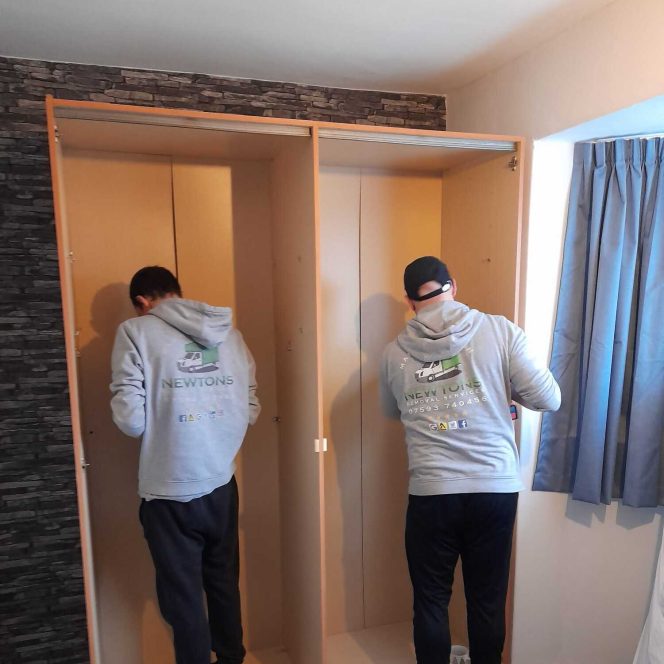
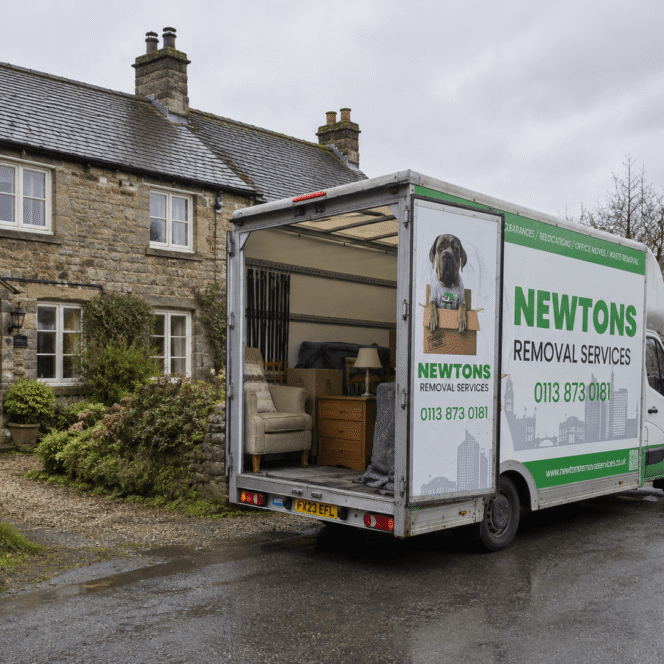
When you’re trying to process a loss, the last thing you need is an unprofessional or insensitive moving company. Newtons Removal Service understands the needs of our customers as we’re a family business which has been offering removals services in Leeds and Yorkshire for two decades. Our thousands of five star reviews are a testament to the fact that customers find us committed and courteous. Most importantly we always get the job done on time and on budget.
When is the right time?
There’s no single right answer, and it’s important not to rush. In most cases, the executor or administrator of the estate has the legal responsibility for the deceased’s property and belongings, so they should be involved in any decisions about what happens to the contents.
A few things are worth bearing in mind before anything leaves the house:
- Wait for valuations. The contents of a home form part of the estate and may need to be valued for probate and inheritance tax purposes. Items of value, such as jewellery and antiques, should be assessed before anything is sold, donated or disposed of.
- Check the will. Specific items may have been left to named people. These need to be set aside and passed on as the will directs.
- Rented properties may have tighter deadlines. If the deceased rented their home, the tenancy may need to be ended and the property cleared within a set notice period. Speak to the landlord or council asap to agree a realistic timescale.
- Sale driven deadlines. Once probate is granted, a sale can move quickly. Booking your house clearance early means you won’t be scrambling when an offer comes in.
Practical steps before the clearance
Taking care of a few essentials early on will make clearance day far smoother:
- Secure the property. Change or check the locks if keys are unaccounted for, and make sure windows and doors are secure.
- Tell the home insurer. Many policies change or lapse once a property is left unoccupied, sometimes after as little as 30 days. Let the insurer know about the death as soon as possible.
- Contact council tax. In England, a property left empty after the owner’s death is usually exempt from council tax until probate is granted, and for up to six months afterwards while it remains unoccupied and unsold. Your local council can confirm what applies.
- Deal with utilities and post. Take meter readings, notify suppliers, and set up a Royal Mail redirection so important letters reach the executor. The government’s Tell Us Once service can notify several departments at once.
- Search for important paperwork. Look for wills, deeds, bank and pension statements, insurance policies etc. It’s surprisingly common for cash and valuables to be tucked away in unexpected places, such as coat pockets, books and mattresses.
- Photograph sentimental spaces. Many families find comfort in taking photos of rooms as they were before anything is moved.
Deciding what to keep, sell, donate or recycle
Sorting a lifetime of belongings can feel overwhelming. Breaking it down into simple categories helps:
- Keep: family heirlooms, photographs, letters and items with sentimental value. Give family members the chance to choose keepsakes before the clearance.
- Sell: valuable furniture, antiques, collectables and quality household goods, often through auction houses or specialist dealers.
- Donate: good condition clothing, books, kitchenware and furniture can go to local charities. Note that upholstered furniture usually needs its fire safety label intact to be accepted.
- Recycle or dispose of responsibly: electrical items, broken furniture and general waste should be handled by licensed carriers and taken to authorised facilities.
You don’t need to make every decision at once, it’s perfectly reasonable to put items into storage and come back to them later.
What to look for in a house clearance company
Whoever you choose, it pays to check a few things first:
- A valid waste carrier licence. Anyone removing waste from a property in England must be registered with the Environment Agency. If an unlicensed operator fly tips, the householder or estate can be held responsible.
- Proper insurance. Make sure goods in transit and public liability cover are in place.
- A clear, written quote. Avoid surprises by agreeing the price and scope of work upfront.
- Genuine reviews. Feedback tells you a lot about how a company treats people.
- A respectful approach. The team should be patient, discreet and willing to work around your family’s needs.
Property clearance experts
Our specialism means that we take great care with your most precious possessions. We are fully insured as well to give you peace of mind when we’re moving your personal artefacts.
Our team knows that what looks like an ordinary object can mean the world to a family. We handle every item with the same care, whether it’s a treasured piece of furniture heading to a relative’s home or a box of letters that needs to be kept safe. We work at a pace that suits you, and we’re happy to set aside anything you find along the way that you want to hold on to.
We cover homes of all sizes across Leeds and the wider Yorkshire area, from flats and terraced houses to larger family properties, so wherever your loved one lived, we can help.
Looking after yourself during the process
Seek support if you need it. Bereavement charities such as Cruse Bereavement Support offer free help if grief feels overwhelming.
Don’t do it alone. Ask family or friends to help, even if it’s just for company.
Take breaks. Spread the sorting over several days if you can, rather than trying to do it all in one go.
Let professionals take on the heavy lifting. Handing over the physical work frees you to focus on the decisions that matter.